[lwptoc numeration=”none” title=”Table of Contents” width=”full” colorScheme=”inherit” borderColor=”#0a0a0a” skipHeadingLevel=”h1,h3,h4,h5,h6″]
Asphalt Maintenance in Phoenix, AZ: When to Schedule Repairs
In Phoenix, where the desert climate delivers intense sun, high temperatures, and occasional monsoon rains, asphalt surfaces endure extreme conditions year-round. Whether it’s a commercial parking lot or a residential driveway, maintaining asphalt properly is essential for longevity and appearance.
Asphalt holds up well and offers a smooth finish, but it wears over time. Cracks, fading, and potholes appear faster in Phoenix because UV rays and heat cause expansion. Timing asphalt repairs correctly saves property owners thousands and keeps surfaces safe, smooth, and visually appealing.
This guide will walk you through why asphalt maintenance in Phoenix, AZ, matters, how Arizona’s weather impacts it, and the best times to repair and protect your pavement for lasting results.
Why Asphalt Maintenance in Phoenix, AZ Is Crucial
The desert climate of Phoenix creates unique challenges for asphalt surfaces. The intense UV radiation, triple-digit heat, and sudden rainstorms can cause rapid oxidation, softening, and cracking.
Here’s why proactive maintenance is essential:
Prolongs lifespan:
Properly maintained asphalt lasts 20–25 years, even under Phoenix heat and intense UV exposure. Regular sealcoating and crack sealing prevent early oxidation and surface damage. Routine maintenance helps property owners postpone expensive resurfacing or replacement.
Prevents costly damage:
Regular inspections identify small cracks and surface problems before they grow into potholes or structural damage. Early action prevents water from seeping into the foundation under the asphalt. Proactive care saves property owners thousands in major repairs over time.
Improves safety:
Smooth, intact pavement lowers tripping risks for pedestrians and protects vehicles from damage. In busy areas like Phoenix parking lots, keeping surfaces safe reduces liability exposure. Consistent maintenance keeps your property functional and secure for all users.
Enhances curb appeal:
A freshly sealed blacktop gives any property a clean, professional appearance that instantly boosts its visual appeal. For businesses, it creates a positive first impression that reflects care and quality. Maintaining your asphalt surface also increases property value and helps your business stand out in competitive areas around Phoenix.
Protects your investment:
Preventative asphalt maintenance protects your property from Arizona’s extreme heat and monsoon rains. Sealcoating, patching, and regular inspections maintain the pavement’s strength and durability. Consistent care over time keeps your investment performing reliably for years.
Phoenix’s environment makes it especially important to stay on top of repairs. A “wait and see” approach often leads to costly replacements later.
Common Signs Your Asphalt Needs Repair in Phoenix
Even top-quality asphalt deteriorates over time. The key is catching early warning signs before they worsen under Arizona’s heat.
1. Cracks and Fissures
Cracks are the most visible sign of distress. In Phoenix, rapid temperature swings between day and night cause asphalt to expand and contract, creating tension cracks.
Types of cracks include:
- Alligator Cracking: Resembles scales; indicates structural fatigue beneath the surface.
- Block Cracks: Square or rectangular patterns caused by oxidation and shrinkage.
- Edge Cracks: Appear near curbs or landscaping where drainage is poor.
When to repair:
Immediately — especially before monsoon season. Water entering these cracks can weaken the sub-base and lead to potholes.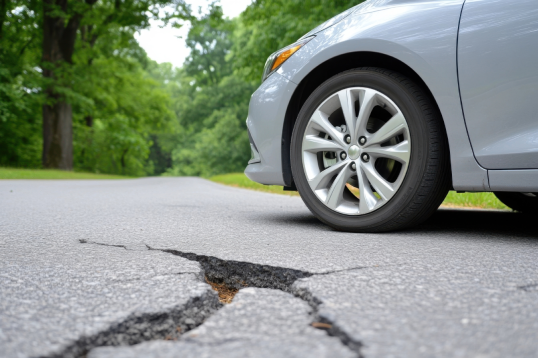
2. Fading and Discoloration
Arizona’s relentless sun bleaches asphalt surfaces, fading them from deep black to gray. It not only looks aged but also signals loss of vital binders that keep asphalt flexible.
When to repair:
Plan sealcoating every 2–3 years to restore color and protect against UV damage. In Phoenix, this step is non-negotiable for long-term pavement health.
3. Potholes
Potholes in Phoenix often develop after heavy rain during the summer monsoon season. Water seeps into cracks, softens the sub-layer, and creates voids that eventually collapse.
When to repair:
As soon as possible. Potholes grow fast and can cause tire damage or trip hazards on commercial properties.
4. Raveling and Loose Gravel
Raveling occurs when asphalt aggregate starts coming loose from the surface due to oxidation and traffic. This rough texture allows more water and debris to enter the pavement.
When to repair:
Quickly — resurfacing or patching may be required to restore the surface and prevent further unraveling.
5. Standing Water or Drainage Issues
Despite Phoenix’s dry climate, monsoon downpours can cause temporary flooding. If water pools on your asphalt, it’s a sign of improper drainage or settling.
When to repair:
Before the next rainy season, standing water accelerates deterioration and weakens the base structure.
Best Seasons for Asphalt Repairs in Phoenix
Phoenix’s climate allows for asphalt work most of the year, but timing still matters to ensure proper curing and lasting results.
Spring (March–May)
Spring is the ideal time in Phoenix to schedule crack sealing and pothole repair after the cooler winter months. The moderate temperatures allow asphalt materials to cure evenly, ensuring long-lasting results. Performing maintenance now prepares your pavement for the intense summer heat that can quickly worsen existing damage.
Summer (June–August)
Summer offers ideal conditions for sealcoating and resurfacing in Phoenix. Hot, dry weather helps asphalt sealants bond strongly, forming a lasting protective layer. Performing work in early mornings or late afternoons allows proper curing and avoids extreme midday heat.
Fall (September–November)
Fall brings mild weather and stable conditions, making it ideal for final inspections and minor repairs before winter. Completing sealcoating or patching now protects asphalt from moisture and temperature changes. Proactive care keeps surfaces strong and smooth during the cooler months.
Winter (December–February)
While winter in Phoenix is milder than in most regions, cooler temperatures can limit large-scale asphalt projects. This season is best suited for small patch repairs and preventive maintenance to address minor issues. Planning ensures your pavement remains in great condition and ready for more extensive work in the spring.
How Phoenix’s Climate Affects Asphalt
Phoenix experiences more than 300 sunny days per year, with summer highs often exceeding 110°F. This extreme environment accelerates oxidation, a chemical process that hardens asphalt, making it brittle and more prone to cracking. Understanding how local weather impacts your pavement helps you plan the right maintenance strategy year-round.
UV Exposure:
Phoenix sunlight degrades the binders that keep asphalt flexible and strong. Over time, surfaces fade, become brittle, and develop cracks. Applying sealcoating every 2–3 years blocks UV rays and maintains the pavement’s dark color.
Heat Expansion:
Daily temperature swings in the desert can fluctuate by 30°F or more, causing the asphalt to expand and contract repeatedly. These constant shifts create internal stress that eventually forms visible cracks. Regular inspections and timely crack sealing are crucial to prevent long-term structural damage.
Monsoon Rains:
During Arizona’s summer monsoon season, heavy downpours and flash floods can overwhelm poorly drained surfaces. Standing water seeps into cracks, softening the base layer and leading to potholes. Ensuring proper drainage and slope grading can protect your pavement from costly water-related damage.
Dust and Debris:
Phoenix’s dry, windy conditions carry fine dust that settles into asphalt pores, creating friction and accelerating wear. Over time, this debris grinds against the surface, dulling its appearance and weakening sealants. Routine sweeping and cleaning help maintain both the look and longevity of your pavement.
Local Tip: Scheduling sealcoating every 24–30 months in Phoenix can dramatically slow down oxidation and extend the life of your asphalt. This simple maintenance step shields against heat, sun, and water damage. Regular upkeep ensures your pavement stays durable and visually appealing despite Arizona’s challenging climate.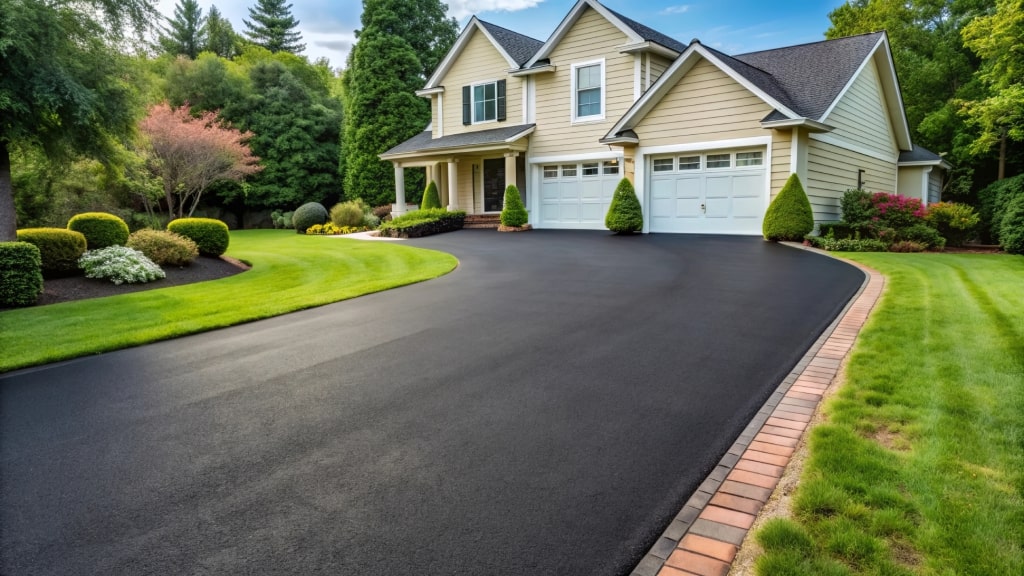
Preventative vs. Reactive Asphalt Maintenance
Preventative Maintenance
Proactive care keeps your pavement strong and reduces long-term costs.
Examples include:
- Sealcoating every 2–3 years
- Crack sealing before the monsoon season
- Regular sweeping to remove debris
- Drainage system maintenance
Benefits:
- Avoids costly replacements
- Keeps your property safe and appealing
- Maintains professional curb appeal
Reactive Maintenance
These are repairs made after damage has already occurred, such as potholes or severe cracking.
Downsides:
- Higher repair costs
- More disruption to business operations
- Shorter overall pavement lifespan
The takeaway: Preventative maintenance in Phoenix is always more affordable and effective than reactive fixes.
Why Sealcoating Is a Must for Phoenix Pavements
Sealcoating in Phoenix, AZ is arguably the most critical maintenance step for asphalt. It creates a protective barrier against the state’s intense sun and temperature extremes.
Benefits of Sealcoating in Phoenix
Reflects UV rays and slows oxidation:
Sealcoating creates a protective barrier that reflects the sun’s harsh UV rays, preventing the asphalt from drying out and cracking. This process significantly slows oxidation, which is one of the leading causes of pavement deterioration in Phoenix’s desert climate.
Prevents water infiltration from monsoon rains:
A properly sealed surface repels water, reducing the risk of moisture seeping into cracks and weakening the base. It is especially vital during Arizona’s monsoon season when sudden heavy rains can cause rapid pavement damage.
Restores rich black appearance for enhanced curb appeal:
Sealcoating revives the deep black finish of asphalt, giving driveways and parking lots a fresh, well-maintained look. This improved appearance enhances curb appeal and creates a professional impression for businesses across the Phoenix area.
Reduces maintenance costs by up to 40%:
By protecting against UV damage, oxidation, and water intrusion, sealcoating minimizes the need for frequent repairs. Over time, this proactive maintenance approach can lower overall asphalt care expenses by as much as 40%.
The Hidden Costs of Delaying Repairs
Ignoring minor cracks or surface fading in Phoenix’s desert climate can lead to:
Rapid oxidation and brittle pavement:
In Phoenix’s intense heat, UV rays accelerate oxidation, causing asphalt to lose its flexibility and turn brittle. Once this process begins, small cracks appear and quickly spread across the surface. Without timely maintenance, the pavement becomes dry and weak, requiring costly resurfacing much sooner than expected.
Foundation failure due to water infiltration:
When cracks go unsealed, water from monsoon rains seeps into the asphalt, eroding the base layer beneath. Over time, this weakens the foundation, leading to potholes and structural instability. Repairing foundational damage is far more expensive than addressing surface-level issues early on.
Increased liability from uneven surfaces or potholes:
Damaged asphalt creates tripping hazards and raises the risk of vehicle damage in parking lots and driveways. For Phoenix businesses, it can cause customer injuries and legal claims. Maintaining smooth, safe pavement protects visitors and your reputation.
Reduced property value and curb appeal:
Cracked, faded, or uneven asphalt instantly detracts from your property’s overall appearance. In a competitive market like Phoenix, curb appeal plays a major role in attracting tenants, customers, or buyers. Regular maintenance ensures your property remains inviting, professional, and high in value.
Conclusion
Asphalt maintenance in Phoenix, Arizona, is all about timing, prevention, and protection. The region’s heat, sunlight, and seasonal rains can quickly degrade pavement — but with the right care plan, your asphalt can last for decades.
By monitoring for cracks, sealing every few years, and scheduling professional inspections, you’ll maintain both safety and aesthetics. Whether it’s a residential driveway or a commercial lot, the best time to schedule asphalt repairs is before you think you need them.
Don’t wait until minor issues become costly repairs — protect your investment today. Contact Parking Professionals for sealcoating, resurfacing, and professional repair services that last.
📞 Call us today: 480-257-4721 or 602-416-1270
📧 Email: Contact@parkingprofessionals.co
🌐 Visit: Parking Professionals
Keep your asphalt strong, beautiful, and ready to handle Arizona’s toughest conditions — one maintenance appointment at a time!